



What people usually mean by “before and after”
Interviewer: When someone says they want “eyebrow serum before and after” results, what are they expecting?
Dermatology-trained clinician: Most people are hoping for three visible changes: (1) fuller-looking brows (more visible hairs per area), (2) better hair quality (thicker shafts, less brittleness), and (3) improved symmetry where one brow is naturally sparser. A true “after” photo is not only about more hairs; it can also reflect better grooming habits, a new brow mapping routine, and reduced over-plucking.
Interviewer: What’s the most realistic “after” people can aim for?
Clinician: A realistic goal is gradual improvement: fewer gaps, a softer outline, and brow hairs that look healthier and more consistent. Dramatic transformations do happen, but they often depend on why the brows are sparse in the first place and whether follicles are still able to produce terminal hairs.
Interviewer: What kinds of “before” situations respond best?
Clinician: Mild to moderate thinning from over-tweezing, waxing, postpartum shedding, stress-related shedding, or mild irritation from harsh cosmetics tends to respond better than long-standing scarring, burns, or certain autoimmune conditions where follicles are damaged.

How eyebrow hair growth works (and why “after” takes time)
Interviewer: Why do brow serums require patience?
Clinician: Brow hairs grow in cycles. While the exact timing varies by person, each follicle goes through a growing phase (anagen), a transitional phase (catagen), and a resting/shedding phase (telogen). Serums don’t create instant hairs; they support the environment so existing follicles can produce stronger hairs as they cycle. That’s why changes are usually noticed over weeks, not days.
Interviewer: What timeline do you typically see in “before and after” tracking?
Clinician: Many users report early changes in 2–4 weeks such as less breakage, better texture, and easier styling. More visible fullness often appears around weeks 6–12. A more complete “after” for brows is frequently assessed at 12–16 weeks, because multiple follicles have had time to re-enter and progress through growth.
Interviewer: Can it keep improving after 16 weeks?
Clinician: Yes. Some people keep seeing incremental improvements up to 6 months, especially if their baseline was very sparse or if they’re correcting chronic irritation and mechanical damage. But the biggest visible shift is commonly within the first 3–4 months when the routine is consistent.
Interviewer: What can confuse the “after” photo?
Clinician: Lighting, camera angle, brow tinting, microblading, lamination, makeup, and changes in grooming. Even different facial expressions can move the skin and make density look different. That’s why standardized photos matter.
What’s in eyebrow serums and what each ingredient is trying to do
Interviewer: Are all eyebrow serums basically the same?
Clinician: Not exactly. Many share a similar strategy—conditioning the hair and supporting the follicle area—but the ingredient approach varies. Common categories include peptides, humectants, botanical extracts, panthenol, amino acids, and sometimes prostaglandin analogs (more common in lash products, but occasionally present in brow products too).
Interviewer: Can you break down those categories in plain language?
Clinician: Peptides are often included to support the look of stronger, healthier hair. Humectants like hyaluronic acid or glycerin help bind water, improving flexibility so hairs break less. Panthenol (pro–vitamin B5) can enhance shine and manageability. Botanicals may soothe the skin and reduce dryness. Some serums also include conditioning polymers that create an immediate “thicker” feel even before growth changes occur.
Interviewer: What about prostaglandin analogs?
Clinician: Those ingredients can be effective at stimulating growth, but they can also carry a higher side-effect profile, including irritation or skin discoloration in some users. People should read labels and follow brand guidance, and if they have sensitivities or eye-area concerns, choose products accordingly and consider professional advice.
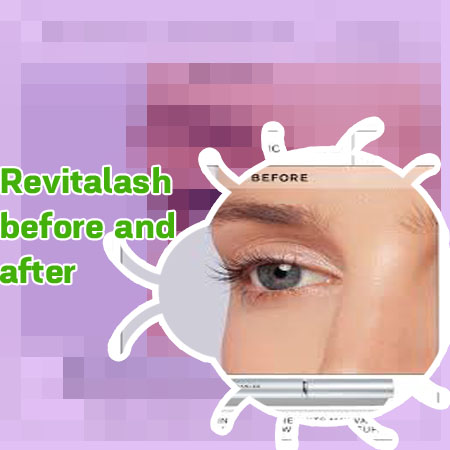
Before-and-after photos: How to document changes accurately
Interviewer: If someone wants honest “before and after” proof, what’s your recommended method?
Clinician: Take baseline photos from three angles: straight on, 45 degrees left, 45 degrees right. Use the same location, time of day, and lighting each time—bathroom lighting can vary a lot, so a simple ring light or bright window light is better. Keep the camera at the same distance and height, and relax your forehead so the brow area is consistent.
Interviewer: Should makeup be removed?
Clinician: Yes. No pencil, powder, gel, tint, or concealer in the brow area for photo sessions. Clean brows show true density. If a person regularly uses a tinted brow gel, it can make “after” look dramatically fuller even if growth hasn’t changed much.
Interviewer: How often should they take progress photos?
Clinician: Weekly is fine, but every two weeks is often easier and still informative. Daily photos can be misleading because growth is slow and day-to-day variability is high.
Interviewer: What’s a fair definition of “results”?
Clinician: Look for a combination of: less breakage, fewer visible gaps, improved border softness, more hairs standing where there used to be empty space, and better ability to brush hairs upward without them snapping or looking wiry.
Application routine: How people get better “after” outcomes
Interviewer: Where do users go wrong when they apply brow serum?
Clinician: The most common issues are inconsistency, applying on top of heavy skincare or oils, and using too much product. A thin application along the brow area is usually enough. If the skin is coated with thick moisturizer, sunscreen, or oils, the serum may not contact the skin well.
Interviewer: What’s a simple routine that supports the best chance of improvement?
Clinician: Clean, dry skin; apply a thin layer to the brow area; let it dry before adding other products. Consistency matters—daily or as directed. If irritation occurs, pause and reassess. Also, avoid aggressive rubbing when cleansing, and minimize tweezing while you’re trying to regrow hair.
Interviewer: Do lifestyle factors show up in “before and after”?
Clinician: They can. Chronic stress, iron deficiency, thyroid issues, restrictive dieting, and friction (for example, vigorous makeup removal) can all affect hair. If brows are thinning noticeably or suddenly, it’s reasonable to consider a medical check-in rather than relying solely on cosmetics.
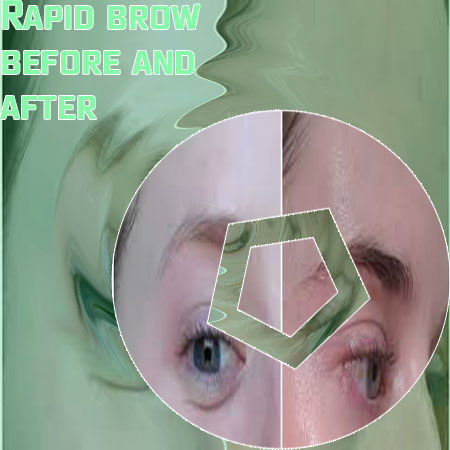
Common “before” scenarios and what the “after” may look like
Interviewer: Let’s talk about typical starting points. What happens when brows are sparse from over-plucking?
Clinician: If follicles are still viable, you often see “after” improvements as short, fine hairs appear first, then some mature into longer, darker hairs over time. The border looks less sharp and less “missing,” especially at the tail where people often over-tweeze.
Interviewer: What about postpartum or stress-related shedding?
Clinician: In those cases, the “after” can be quite encouraging because follicles are usually intact. The challenge is timing: shedding and regrowth can overlap. Serums may help hair quality and support a healthier-looking regrowth phase, but patience is key.
Interviewer: How about thinning from dermatitis or irritation?
Clinician: If the skin is inflamed, no serum will perform well. The most meaningful “before and after” change may start with calming the skin—gentle cleansing, removing irritants, and treating the underlying dermatitis. Once the skin barrier improves, brow hairs often break less and new growth can be more stable.
Interviewer: And long-standing gaps?
Clinician: If a gap has been present for many years, especially after trauma or scarring, the “after” may be limited. Some people still see improvement in the surrounding density, which can help camouflage the area, but full regrowth in scarred skin is less likely.
Side effects and red flags that can show up during the “after” phase
Interviewer: What mild side effects are most common?
Clinician: Mild dryness, itchiness, or temporary redness at the application site—often from overuse or sensitivity to a particular ingredient. Sometimes a product applied too broadly can cause tiny bumps or clogged pores near the brow.
Interviewer: What should make someone stop and seek guidance?
Clinician: Persistent burning, swelling, rash, or worsening dermatitis. Also, if a product is used near the eyes and causes eye irritation, watering, or discomfort, stop and reassess. If a serum contains stronger actives and someone notices unwanted skin darkening or other unexpected changes, it’s sensible to discontinue and consult a professional.
Interviewer: Can you “overdo it” and sabotage the before-and-after?
Clinician: Yes. Applying more than directed doesn’t speed up growth; it increases the chance of irritation, which can worsen shedding or breakage. Consistency and skin comfort are more important than quantity.
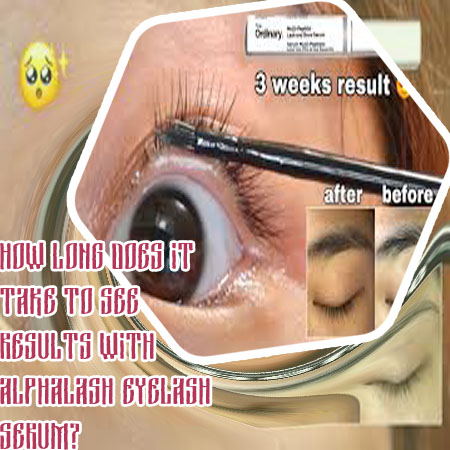
Eyebrow serum vs. eyelash serum: why the photos look similar (but the goals differ)
Interviewer: Many “before and after” images online mix brows and lashes. Is that helpful or confusing?
Clinician: It can be confusing because lashes and brows are different in thickness, growth cycles, and how we visually judge improvement. Lash “after” photos often look dramatic because extra length is obvious. Brow “after” photos can be subtler because brows are a broader shape and density is harder to capture.
Interviewer: Can someone use the same serum for both?
Clinician: Only if the product is explicitly formulated and tested for that use. The eye area is more sensitive. People should follow label instructions and avoid experimenting too close to the lash line with products not intended for it.
Interviewer: Why do brow results sometimes look “patchy” mid-process?
Clinician: Because follicles are cycling independently. You might see growth in one area sooner than another. Also, the new hairs can be finer at first, so they become noticeable only when they lengthen and darken or when they’re brushed into place.
How to support the “after” look with grooming (without faking results)
Interviewer: What grooming steps enhance brow appearance while staying honest about growth?
Clinician: Brush brows daily with a spoolie to train direction and reduce tangling. Trim only the longest hairs sparingly. If someone uses makeup, choose a light hand: a fine pencil for gaps and a tinted gel to lift the hairs. For photo documentation, keep those steps separate from the serum “after” photos so progress is clear.
Interviewer: Does brow lamination affect before-and-after perception?
Clinician: Absolutely. Lamination can make brows appear instantly fuller by spreading hairs and holding them upward. It’s not a bad service, but it can mask whether a serum is working. If someone laminates, it’s better to take “progress” photos before the appointment and then wait until the lamination effect wears down to compare again.
Maintenance: what happens after the “after”
Interviewer: Once someone gets the result they want, do they stop?
Clinician: It depends on the product and the person’s underlying cause of thinning. Many people transition to a maintenance schedule (for example, fewer applications per week) to preserve gains. If the original cause—over-tweezing, irritation, nutritional issues—returns, brows can thin again regardless of serum use.
Interviewer: What’s the most common reason people “lose” their results?
Clinician: They resume aggressive hair removal or harsh removal techniques, or they discontinue everything and expect the brow to stay in a peak state permanently. Hair is dynamic; maintenance is often part of keeping the “after” look.
Product selection and a reference point for readers comparing options
Interviewer: If a reader is comparing formulas and wants a single place to start browsing, what’s a reasonable approach?
Clinician: Look for clear instructions, transparent usage guidance, and realistic photo documentation. If you want a starting point to explore a brow-and-lash-focused brand presence and product positioning, you can reference Toplash com and then compare it with other options based on ingredients, sensitivity considerations, and application preferences.
Quick checklist readers can use when evaluating “before and after” claims
Interviewer: Can we end with a practical checklist people can apply to any set of photos?
Clinician: Yes. Check: (1) same lighting and angle, (2) no makeup in the brow, (3) similar brow grooming state (not freshly laminated in one photo), (4) similar facial expression, (5) a realistic timeframe (at least 6–12 weeks), and (6) whether the “after” shows not just darker brows, but more visible hairs and improved hair integrity. If those boxes are checked, the comparison is more trustworthy.
Interview with the Casino Support Service: “What Should Toplash Be Expected to Do?” (Eyebrow Serum Before & After)
Agent Mia (Support): We’re used to questions like “When will my payout arrive?”, but lately we get a funny kind of chat: people asking what results can be expected from Toplash, especially the eyebrow serum, and how to read a real before-and-after.

Q: Why are people asking a casino support team about eyebrow serum?
Mia: Because the mindset is similar. In a casino, you want clear rules and realistic odds. With brow serum, you want the same: what changes are normal, how long it takes, and what “before and after” actually means in real life, not in perfect lighting.
When someone says “Toplash be expected,” I read it as: “Tell me the honest timeline, the small details, and what’s normal if my brows have gaps.”
Q: So what do you tell them to expect with Toplash eyebrow serum?
Mia: First, that it’s not instant. Most people notice the earliest changes as “my brows look less fragile” before they notice new visible hairs. The best before-and-after photos are taken in the same spot, same light, same angle, and without pencil or tinted gel.
In plain terms, you’re usually watching for three things: less shedding, a slightly darker look (often because hairs look healthier), and gradual filling in of thin areas.

Q: Can you describe a typical “before and after” example?
Mia: Sure. A common “before” story is someone who over-tweezed in the past, or has patchy ends of the brows. The tail looks see-through, and the front has hair but doesn’t hold shape. They start using Toplash eyebrow serum once a day, usually at night, on clean skin.
After a few weeks, the “after” isn’t suddenly a whole new brow. It’s more like: the outline looks more even, the sparse tail has a few new short hairs, and the brow holds a cleaner line when brushed up. People who stick with it tend to show the clearest difference in the thinner zones, not in the already-dense parts.
Q: What mistakes ruin the before-and-after result?
Mia: Two big ones: applying it on top of heavy creams or oils, and applying way too much. More isn’t better. If the skin is slippery, the product can travel, and then people complain it “did nothing” in the exact spot they wanted.
Also: changing five things at once. If you start serum, change your brow dye, and begin lamination in the same month, you won’t know what helped or what irritated your skin.

Q: If someone says, “I used it for a week and nothing happened,” what do you answer?
Mia: I tell them one week is basically the “setup phase.” Like verifying your account—important, but not the payout. Brow hair grows slowly, and many people only realize progress when they compare photos. If you want a fair test, take a close photo on day 1 and then again on the same day of the week later.
And I remind them: results can be uneven. One brow often fills in faster than the other because most of us sleep on one side or touch one side more.
Q: Any simple checklist for what can be expected from Toplash brow serum?
Mia: Yes, keep it simple:
- Apply consistently, once a day, on clean, dry skin.
- Use a small amount and aim for the sparse zones.
- Track progress with matched photos, not memory.
- Expect gradual filling, not overnight “new brows.”
- If skin gets angry, pause and reassess rather than pushing through.
Q: What’s the most “real” before-and-after sign people miss?
Mia: The texture change. People focus only on new hairs, but the quiet win is when brows look less wiry or less broken and start behaving when you brush them. That’s often what shows up first in a true before-and-after—especially at the tails.
Main Parameters (Think of It Like a Tiny Daily Game)
If you treat eyebrow serum like a “game,” the rules are simple: consistency beats intensity, clean skin beats wishful thinking, and skipping nights is basically handing your progress to the house. I used it once a day (night), kept the applicator light, and avoided stacking oils on top.
Comparison: Before vs After
Before: My brows looked fine from a distance, but up close there were the usual trouble spots—thin tails, a couple of stubborn gaps, and that slightly “tired” look where the shape didn’t hold unless I filled it in. Makeup helped, but it always felt like I was drawing optimism more than eyebrows.
After: The change wasn’t a cartoon transformation; it was the kind people notice when they’re standing close—more hairs where there used to be empty space, a softer but clearer outline, and less need to over-pencil the tail. The biggest “win” was how the brows started looking present even on bare-skin days.
Scoreboard (One Table, All the Main Data)
| Parameter | Before Serum | After Serum (Typical 6–10 weeks) |
|---|---|---|
| Overall density | Light-to-medium; sparse in spots | Noticeably fuller, especially in weaker areas |
| Tail thickness | Thin; needed pencil to look “finished” | Better coverage; less filling required |
| Visible gaps | 2–3 small gaps that caught the light | Reduced/blurred; easier to hide naturally |
| Daily styling time | 3–6 minutes (fill + set) | 1–3 minutes (light set or none) |
| Shedding look | Occasional “patchy week” after grooming | More stable appearance week to week |
| Comfort/irritation risk | N/A | Usually mild; possible itch/redness if over-applied |
| Commitment level | None | Nightly habit; results fade if you quit entirely |
| Best sign it’s working | Brows look “done” only with makeup | New fine hairs; fuller tail; less reliance on pencil |
Small Notes That Mattered More Than I Expected
Applying more didn’t speed anything up—it just made the skin cranky. What helped was staying consistent, keeping the brow area clean, and being patient through the “is anything happening?” phase. If you’re hoping for instant results, this isn’t that kind of product; it’s more like steady points accumulating in the background.
Verdict
As a before-and-after experience, eyebrow serum is less “jackpot” and more “reliable payout”: gradual, real, and best appreciated when you stop needing to correct the same spots every morning.
Toplash Eyebrow Serum – My Before & After
Monica Reynolds, 34 y.o., Chicago
I didn’t think an eyebrow serum could do much for me, but Toplash proved me wrong. Before, my brows were patchy (especially at the ends) from years of over-plucking, and I was basically drawing them on every morning.
After using the serum consistently, I started noticing tiny new hairs filling in around week three, and by about two months my brows looked noticeably fuller and more even. The “tail” area that used to disappear is actually there now, and I can get away with just brushing them up instead of penciling everything in. I’m honestly kind of obsessed with how much softer and healthier they look.
It didn’t irritate my skin, and it fits easily into my night routine. If you’ve been staring at sparse brows in the mirror like I was, this is 100% worth trying.